Save big on silicone essentials!

The Ultimate Guide to Silicone Cooking Utensils: Heat-Resistant and Versatile Kitchen Tools
1/18/20267 min read
Introduction to Silicone Cooking Utensils
In recent years, silicone cooking utensils have gained significant traction in the culinary world, touted for their numerous advantages over traditional kitchen tools. Silicone is a synthetic material made from silica, which grants it heat resistance and flexibility, making it an ideal choice for various cooking applications. Unlike wooden or plastic utensils, silicone is non-reactive, meaning it will not alter the flavor of the food and can withstand high temperatures without degrading.
The versatility of silicone utensils extends beyond their heat-resistant capabilities. These tools are available in a plethora of shapes and sizes, from spatulas and spoons to baking mats and molds, catering to a wide range of culinary techniques. Rubber spatulas, for instance, excel at scraping bowls and mixing ingredients, while silicone whisks gently incorporate air into batters and sauces without scratching delicate cookware. Such qualities make silicone kitchen tools a valuable addition for both novice and experienced chefs.
Moreover, silicone cooking utensils offer added benefits in terms of safety and ease of use. Being lightweight and easy to handle, they reduce fatigue during prolonged cooking sessions. Silicone is also dishwasher safe, simplifying the cleaning process significantly in comparison to their metal or wooden counterparts. The non-stick surface of silicone prevents food from adhering, ensuring that cooking and cleaning are a breeze. These factors contribute to the growing trend of incorporating silicone utensils into culinary practices worldwide.
Key Features of Silicone Cooking Utensils
Silicone cooking utensils have gained popularity in modern kitchens owing to their impressive features that enhance both cooking efficiency and food safety. One of the most significant attributes is their remarkable heat resistance. Unlike traditional wooden or plastic utensils, silicone tools can withstand high temperatures, typically up to 450°F (232°C). This feature is particularly beneficial for those who enjoy cooking with high-heat methods such as frying or roasting, as it eliminates the risk of melting or warping associated with less durable materials.
Another key characteristic of silicone cooking utensils is their non-stick compatibility. This property allows them to glide effortlessly over the surfaces of pots and pans, reducing the chances of food sticking during the cooking process. Furthermore, silicone does not scratch non-stick cookware, ensuring the longevity of both the utensils and the pans they are used with. This synergy not only enhances cooking convenience but also encourages healthier meal preparation by promoting the use of less oil or butter.
Additionally, silicone utensils are crafted from food-grade materials that are safe for culinary use. These utensils are inherently BPA-free, which makes them a suitable choice for health-conscious individuals. The absence of harmful chemicals means that there is no risk of leaching substances into food, providing peace of mind when preparing meals. This aspect of food-grade safety appeals to those who value their health and wish to avoid potential health risks associated with inferior materials.
In summary, the combination of heat resistance, non-stick compatibility, food-grade safety, and BPA-free materials makes silicone cooking utensils a necessary addition to any kitchen. These characteristics not only enhance the cooking experience but also contribute positively to food preparation, making them a valuable investment for both amateur cooks and seasoned chefs alike.
Advantages of Using Silicone Utensils in the Kitchen
Silicone cooking utensils have garnered significant attention in modern kitchens, and for good reason. One of the primary advantages of silicone utensils is their durability. Unlike traditional wooden or plastic utensils, silicone can withstand high temperatures without melting or warping, making them a reliable choice for various cooking tasks. This heat resistance allows users to engage in cooking activities without worrying about damaging their tools, even when used in high-heat conditions.
In addition to their longevity, silicone utensils are notably easy to clean. Most silicone cooking tools are dishwasher safe, which means they can be cleaned effortlessly in a dishwasher, eliminating the need for labor-intensive manual washing. Silicone is also non-porous, which prevents the absorption of food odors and stains. This characteristic not only keeps the utensils hygienic but also ensures they maintain their appearance over time, enhancing the overall cooking experience.
Another significant benefit of silicone kitchen tools is that they protect nonstick cookware. Unlike metal utensils that can scratch and damage nonstick surfaces, silicone is soft and flexible, effectively safeguarding pots and pans from scratches or other forms of damage. This quality helps prolong the life of nonstick cookware, which can be a considerable investment in any kitchen.
Lastly, silicone utensils are versatile in their use. They can be employed for various cooking techniques, from stirring and mixing to scraping and flipping. The flexibility of silicone allows for precise maneuverability, making it easier to handle food and achieve desired cooking results. Overall, the combination of durability, ease of cleaning, resistance to odors and stains, and protective qualities makes silicone cooking utensils an invaluable addition to any kitchen, significantly enhancing the cooking experience.
A Closer Look at the Silicone Utensil Set Components
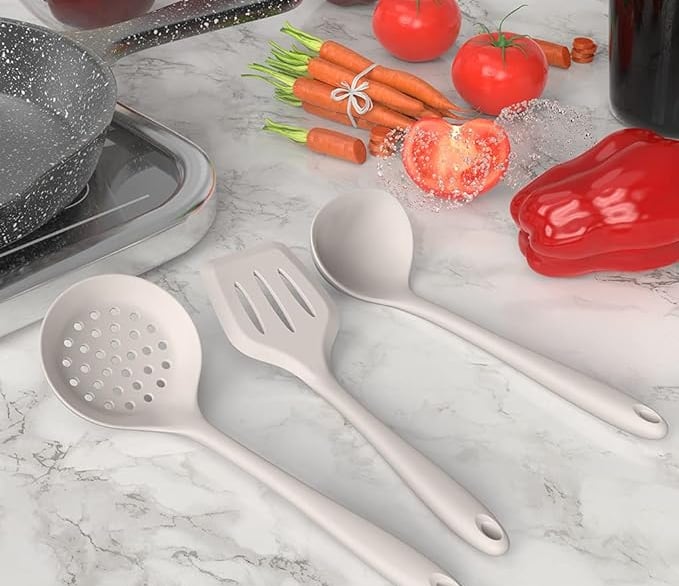
Silicone cooking utensil sets typically include a variety of essential tools, each designed to enhance your culinary experience. The foundation of these sets is often a silicone spatula, which comes in different shapes and sizes. These spatulas are ideal for mixing, folding, and scraping ingredients from bowls or pans, ensuring that no batter goes to waste. Their heat resistance allows them to be used directly in hot pots and pans without fear of melting or warping.
Another common tool in silicone utensil sets is the silicone turner. This kitchen tool is perfect for flipping pancakes, burgers, or other delicate items. The flexibility of silicone ensures that food items can be turned without sticking or damaging them, making it an essential utensil for any cook looking to maintain the integrity of their dish.
Silicone tongs are typically included in these sets as well, offering an efficient way to grasp and handle food while cooking. Their heat resistance and non-stick surface make them ideal for grilling, sautéing, or serving. This versatility makes silicone tongs a must-have for both novice and experienced chefs alike.
Additionally, a silicone whisk helps to incorporate air into sauces and batters, ensuring light and fluffy results. It can be used in non-stick cookware without causing scratches, which is a significant advantage over metal whisks.
Lastly, many sets feature a silicone brush, which is perfect for basting meats or greasing baking pans. The silicone bristles can withstand high temperatures and do not absorb flavors or odors, making them a practical choice for various culinary applications.
Care and Maintenance of Silicone Kitchen Utensils
Silicone kitchen utensils are highly valued for their durability and heat-resistant qualities, making them a favorite among home cooks and professional chefs alike. However, to ensure the longevity and optimal performance of these kitchen tools, proper care and maintenance are essential. A few simple practices can help maintain the integrity of silicone utensils over time.
First and foremost, silicone utensils are generally dishwasher-safe, which simplifies the cleaning process significantly. When placing them in the dishwasher, it is advisable to put silicone items on the top rack to avoid direct heat exposure from the heating element. This will help to prevent any potential damage while ensuring that the utensils are thoroughly cleaned. If hand washing is preferred, gentle soap and warm water are sufficient to remove residue and stains without causing harm. Avoid using abrasive scrubbers, as they can scratch the surface and compromise the utensil's non-stick properties.
In addition to cleaning, the manner in which silicone utensils are stored can affect their lifespan. It is recommended to store these items in a cool, dry place, away from direct sunlight to prevent discoloration and degradation. Hanging silicone utensils or placing them in a dedicated utensil holder can also help avoid any unnecessary bending or deformation.
When handling silicone utensils, it is important to avoid exposure to extreme temperatures beyond their recommended limits, typically around 450°F (232°C). This includes avoiding direct contact with open flames. With these guidelines in mind, silicone utensils can be utilized effectively, serving their purpose while providing a long-lasting addition to your kitchen arsenal.
Common Uses for Silicone Cooking Utensils
Silicone cooking utensils are celebrated for their versatility and heat resistance, making them an essential addition to any kitchen. Among the many cooking tasks they are best suited for are stirring, flipping, scraping, and serving. Each of these tasks can greatly benefit from the unique properties of silicone, which allows for safe use with non-stick cookware while ensuring durability over high temperatures.
When it comes to stirring, silicone spatulas or spoons are ideal because they can easily mix ingredients without damaging your pots and pans. Whether you are preparing a delicate sauce or combining ingredients for a batter, the flexibility and non-scratch nature of silicone make it the perfect choice. For example, when making scrambled eggs or sautéing vegetables, a silicone spatula helps keep the mixture from sticking to the pan, enabling easy movement and even cooking.
Flipping is another key function of silicone utensils. Silicone turners are designed to withstand high heat and can effortlessly lift and flip items like pancakes, burgers, or delicate fish fillets without causing breakage or tearing. Their wide surface area and heat-resistant elements create a safe cooking experience, even on high-heat grills or stovetops.
In addition, silicone tools excel in scraping. When you are baking, a silicone scraper is perfect for retrieving every last bit of dough from mixing bowls or containers, minimizing waste while ensuring that your recipes yield the best results. This feature is particularly useful when preparing sticky mixtures like cookie dough or marshmallow-based treats.
Finally, serving using silicone utensils blends functionality with ease. Silicone ladles and serving spoons are not only safe for non-stick surfaces but also feature ergonomic designs for comfortable handling. Whether serving soup, pasta, or salads, these utensils make portioning simple while providing a polished presentation, making them versatile tools that chefs and home cooks alike will appreciate.
Conclusion and Final Thoughts on Silicone Cooking Utensils
In summary, silicone cooking utensils represent a significant advancement in kitchen tools, offering both home cooks and professional chefs a variety of benefits. These utensils are designed to be heat-resistant, often able to withstand temperatures up to 500°F, which makes them particularly suited for cooking tasks that involve high heat. The flexibility and non-stick properties of silicone also ensure that food can be easily removed from pans, reducing waste and enhancing culinary outcomes.
Many cooks appreciate how silicone is both lightweight and durable, making it an excellent choice for daily use in the kitchen. Unlike some materials, silicone does not warp or melt under high temperatures, thus maintaining its shape and functionality over time. Additionally, silicone utensils are typically dishwasher safe, simplifying the cleanup process and making them an attractive option for busy lifestyles.
Furthermore, the versatility of silicone cooking utensils cannot be overstated. Available in a wide range of designs and colors, they are suitable for various cooking styles and aesthetics. These tools can easily handle everything from baking to sautéing and even serving, making them essential components of any comprehensive kitchen arsenal.
Considering the numerous advantages silicone cooking utensils provide, they prove to be an outstanding investment for anyone looking to improve their cooking experience. Their combination of heat resistance, durability, and ease of use enhances the overall efficiency in the kitchen. Therefore, readers are encouraged to incorporate silicone cooking utensils into their culinary toolkit for a more enjoyable and effective cooking experience.